A happy Easter to all our blog-readers. As Martin Luther once wrote (and sung):
In the bonds of death he lay
Who for our offense was slain
But the Lord is risen today
Christ hath brought us life again
Wherefore let us all rejoice
Singing loud with a cheerful voice
Hallelujah!
Hallelujah indeed. He is risen!

Spirituality. What is it? Do children have it? Does it change over time? Questions that many a children's worker has asked themselves over the years.
In this seminar, first given at the Bible Centred Youthworker conference earlier this year, Mel Lacy from Oak Hill Theological College looks at how a child's spirituality grows as they do.

And when Jesus had cried out again in a loud voice, he gave up his spirit.
At that moment the curtain of the temple was torn in two from top to bottom. The earth shook, the rocks split and the tombs broke open. The bodies of many holy people who had died were raised to life. They came out of the tombs after Jesus’ resurrection and went into the holy city and appeared to many people.
When the centurion and those with him who were guarding Jesus saw the earthquake and all that had happened, they were terrified, and exclaimed, “Surely he was the Son of God!”
It's a great question. But how do you explain it simply? And at the same time inspire people to give reading it a go?

"But I don't want to sit down... I want to be out doing something..."
A familiar cry during the Easter break. Children liberated from the structure of school, and fueled with more chocolate than might be ideal, want to bounce. And why not? They are children after all!
But how can parents (and grandparents and aunts and godparents and friends) harness some of that boundless energy and creativity and use it this week to help their children understand the gospel better?
One way is to encourage them to tell the Easter story not just listen to it. A drama, a puppet show, a powerpoint presentation, a collage or painting, a photo story, an acted scene videoed and edited by them, a song written and performed all engage children (and adults for that matter) in the Easter story in new ways.
"Expression deepens impression" as the old adage goes. We learn something well when we explain it to others.
So tonight, before the chaos of the bank holiday weekend sets in, why not get out an age-appropriate version of the Bible, a box of creative tools and set the children you are naturally going to be coming into contact with the task of retelling the Easter story? The only parameters are that they need to be faithful to the biblical text ... other than that, they can let their creative juices flow. And then promise them that you'll look at it after lunch on Easter day so they know just how interested you are in what they are doing.
Hours of fun and great potential for spiritual growth this Easter.
So go on, let them tell it back this year ...
Almost a year ago, we posted about how you get a religious view into the secular UK media. And we suggested there are three ways to do it:
So, turn to the Telegraph today, and you can read the views of Bettany Hughes, who coincidentally is fronting a new BBC2 series and is an “expert in ancient history” (is there anyone, really, who is truly an expert in the whole of ancient history?!). She is claiming that the story of women in Christianity has been suppressed.
“Who knows whether God is a girl?” she muses. Presumably, God does, and could choose to tell us if He (I use the word advisedly) saw fit.
Anyway, it’s a great example of a Type-One Christianity-in-the-news story. As is this one, questioning what gender—if any—Jesus was. I’m not going to comment on it, because I think it’s groundless, and disrespectful to the Son of God.
While pieces like that continue to fill column inches, here are the three headlines we predicted a year ago you wouldn’t see, and which we haven’t noticed in the intervening twelve months. But they have been happening, unreported:
Some "churches" are just beyond the pale.
We're scandalised by their false teaching, outraged by the way immorality and sin is tolerated and even applauded, and incensed at the way preachers make themselves the centre of attention.
Sadly the wreckage of apostate Christianity is all around us. From crumbling denominations to wild money-grabbing showmen who know how to turn on our attention and empty our pockets at the same time. And of course, like self-respecting Bible-believing evangelicals, we turn away in sadness, dismissal or rage. We distance ourselves from them as a disgrace to the gospel and as a poor advertisement for what faith in Jesus as Lord should look like.
Or should we…... continue reading
Jesus said to them, “I tell you the truth, at the renewal of all things, when the Son of Man sits on his glorious throne, you who have followed me will also sit on twelve thrones, judging the twelve tribes of Israel. And everyone who has left houses or brothers or sisters or father or mother or children or fields for my sake will receive a hundred times as much and will inherit eternal life. But many who are first will be last, and many who are last will be first.
(Matthew 19 v 28-30)
Being a Christian is costly. Sometimes we'll lose friends because we love Jesus. We also have to turn away from things that used to be more important to us than Jesus. But one day, when Jesus returns, we'll be rewarded far more than we could ever imagine! The Christian life isn't easy, but it's definitely worth it.
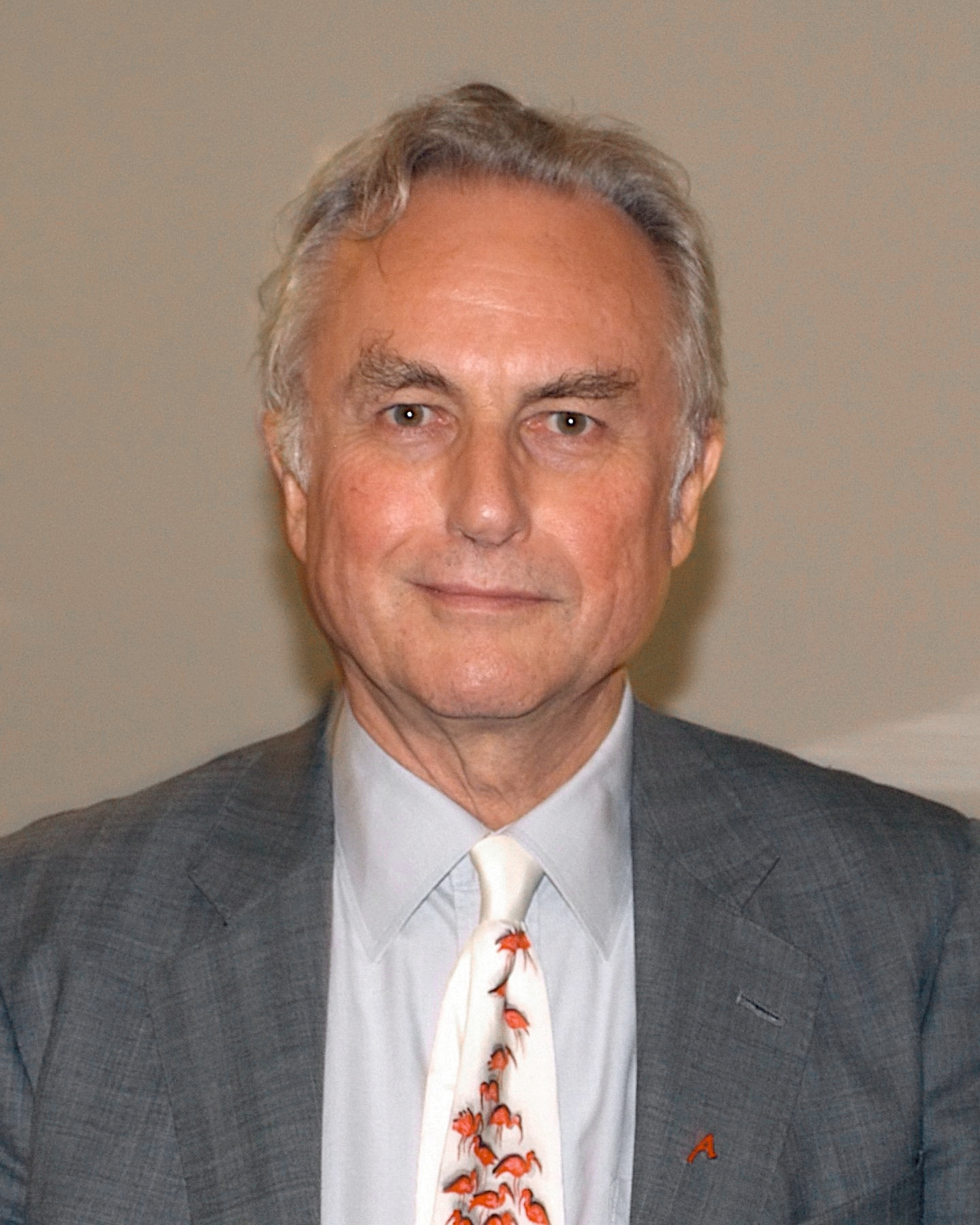
The Atheist and Christian world was rocked after it emerged this morning that Richard Dawkins is to be appointed Archbishop of Canterbury after a back-room deal brokered by the outgoing Primate.
In a shock news announcement from Lambeth Palace this morning (April 1st) it was stated that the outspoken atheist had radically changed his views in the last few months.
"I have always said that I am a 'cultural Anglican' said the Oxford professor, "but after years of resisting belief and arguing against it, I finally gave in to the whisperings of my heart earlier this year. I am now a believer."
Rowan Williams commented: "After our debate at the Oxford Union, Richard and I started to meet, and talk over the objections to belief. One by one, I explained patiently how his objections were not sound - even by his own strict scientific criteria."
Professor Dawkins said: "I mocked the idea of his existence for years, but like C S Lewis before me, after weeks of wrestling, I knelt down in my study and prayed for the first time to the Invisible Pink Unicorn that I had long rejected."
Dawkins confirmed that since his conversion, he had received several job offers."I was approached to be John Piper's eventual successor at Desiring God," he said. "But I felt that the microphones they use would make me look like I worked at a Burger King drive-thru."
Williams, who steps down as Archbishop in December is enthusiastic about the new appointment to the See of Canterbury. "Richard will bring his outstanding mind to bear on a whole range of difficult issues the Anglican communion faces in the future. His refreshing new theological perspective may shock some, but his remarkable conversion from convinced atheist to true believer will be enough to convince many in itself."
They are also hopeful that this new Orthodoxy will do much to set right the church's financial difficulties. "Posters, T shirts and effigies of the Invisible Pink Unicorn are already being designed and manufactured for sale in cathedrals and churches throughout the Anglican Communion," said Dawkins. "With the ear of faith, I can already hear the tills ringing."
Long-term adversaries of God Delusion author were both delighted at the news, but cautious about the newfound faith of the Oxford academic, some thinking that it might be unhelpful to expose a new believer to the pressures that such a new office would bring, others questioning of the details of his conversion. But many are enthusiastic.
Said one un-named source: "The Invisible Pink Unicorn has long been a hidden theme in Christian theology. Archbishop Richard will be continuing the fine tradition of theological development that has marked the Anglican church in recent times."
Richard Dawkins is 71.