| 10+ copies | 30% off | £6.30 each |
| 25+ copies | 40% off | £5.40 each |
| 50+ copies | 50% off | £4.50 each |
Discounts applied automatically in your basket.
When you make the purchase, links to your ebook files (EPUB, MOBI and PDF) will be emailed to you immediately. We will ship the paperback to the shipping address given.
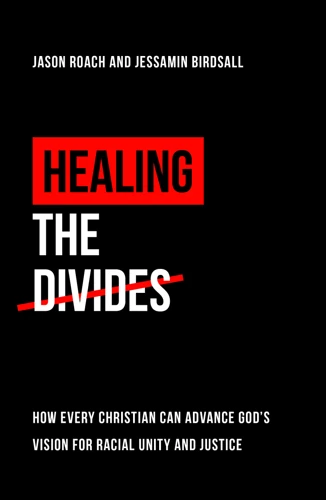
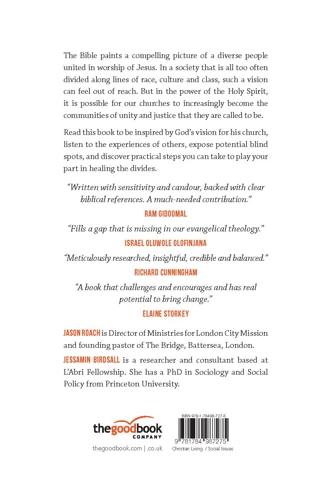
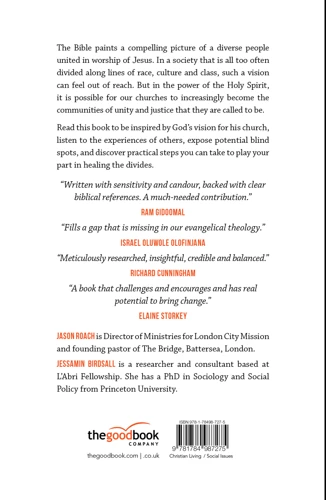
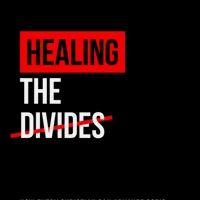
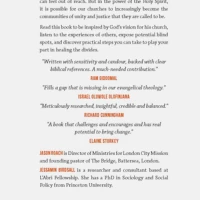
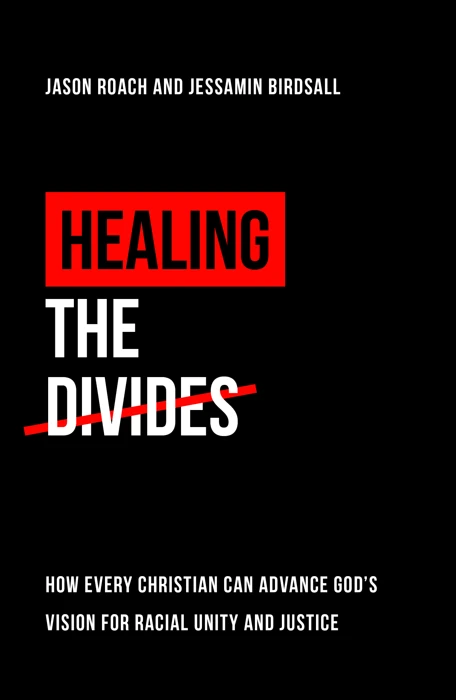
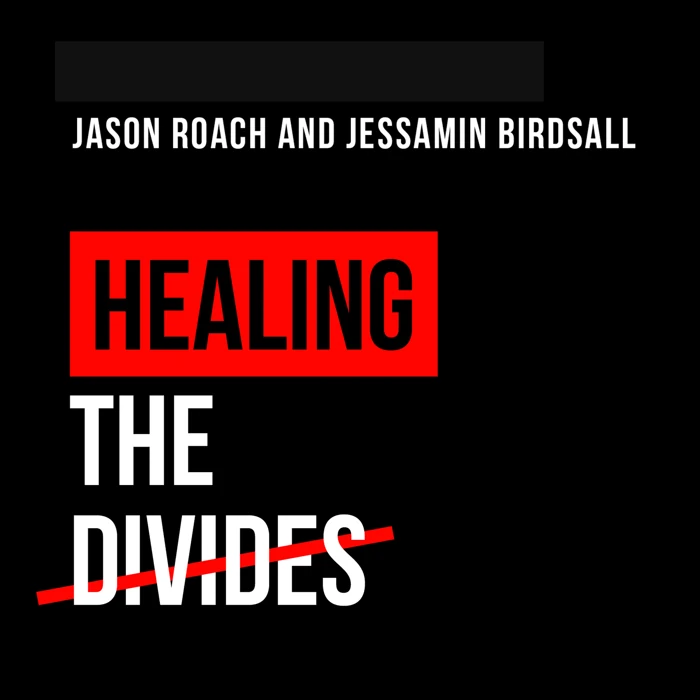
The Bible paints a compelling picture of a diverse people united in worship of Jesus. In a society that is divided along lines of race, culture and class, such a vision can feel out of reach. But in the power of the Holy Spirit, it really is possible for our churches to increasingly become the communities of unity and justice that they are called to be. So, what are the practical steps every Christian can take to help make this a reality?
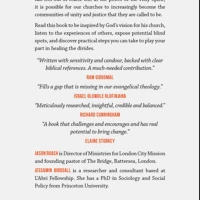
This book combines the voices of Jason Roach, Director of Ministries at London City Mission and founding pastor of The Bridge Church, a multi-ethnic church in London, and Jessamin Birdsall, a researcher and consultant with a PhD in Sociology and Social Policy from Princeton University specialising in religion, ...race and ethnicity, and inequality. Together, they give a biblical perspective on race, ethnicity and justice. Readers will see that in the gospel, Jesus has done something miraculous: he has made us one in him.
As well as inspiring readers with God's vision for unity and diversity, this book will help them better understand the experiences of others and become aware of any blind spots in their church culture that may be putting up barriers to inclusivity. It will also help them to engage constructively with the wider conversation in our culture around movements like Black Lives Matter.
So be inspired by God’s vision for racial unity and justice, consider things from a different point of view, and play your part in healing the divides—to the glory of God.
This book deals with a contemporary issue in a helpful, Biblical, manner that is much needed by Christians living in societies where race is unfortunately being used to whip up division and mutual misunderstanding.
Jason is a Christian, British born, black man married to a Christian, British born, white woman ministering in truly diverse city. He is well trained Biblically and is extremely well qualified to speak into this subject.
As Christians we are called to be both peacemakers and ...ministers of reconciliation. The gospel brings remarkable reconciliation both vertically with God, and horizontally with eachother.
This horizontal reconciliation is a witness to the world. It is by our love for eachother that we should be known, and Paul rounds up his discussion of reconciliation between Jews and gentiles in the Church by saying that in this the manifold, multicoloured wise plan of salvation is displayed.
We live in a sinful society and this can be a long work of sanctification for some of us. John Newton, author of Amazing Grace, and mentor of Wilberforce, took years to understand the depths of his racist sin and most of us aren't as godly as him. Our churches become an obstacle to the gospel if we don't address this. Young black men are being told by Muslim Street preachers that they are fools to attend the churches built by the white people who hurt their elders. We need to deal with those matters and show that real repentance has taken place and there is welcome, hope and good news about Jesus that is good all people. We have a message of great hope for blacks, whites, rich, poor. I know that Jason holds that view. That's why he is directing the ministry of one of the largest evangelistic in the country.
The book is MUCH needed in our churches today. Buy, read, enact, share.
Thank you for sharing your thoughts @Craig. I’m interested to understand where you get the idea that practicing love across racial difference is a distraction from the gospel. Given that the Bible doesn’t separate preaching the gospel from loving our neighbours and valuing all people with the dignity of those made in the image of God, I’m curious to know why you believe we should do one without the other? Jesus didn’t tell his disciples to “just preach the gospel” but to “make disciples of all nations, baptising them in the name of the Father, Son and Holy Spirit and ...teaching them to observe all that I have commanded you”. Living as a disciple of Christ includes preaching the gospel, pursuing justice for the poor, oppressed and marginalised and practicing love across racial and cultural difference. I cannot see that any of these are made optional in the Bible. Yes, there is a cost and it is hard but our Heavenly Father equips us for everything He asks us to do and I believe this book is one way He is graciously equipping all of us to take practical steps in this direction.
In ‘Healing the Divides’, Jason Roach, and Jessamin Birdsall give us a short and practical book as they unpack the issues of race, culture, and class, and how the church should respond to these challenging topics as we strive for unity and justice in our local congregations.
Jason is a Black British pastor, born in London with parents of Bajan heritage, and Jessamin is a White American researcher and consultant at L’ Abri Fellowship, born in Tokyo.
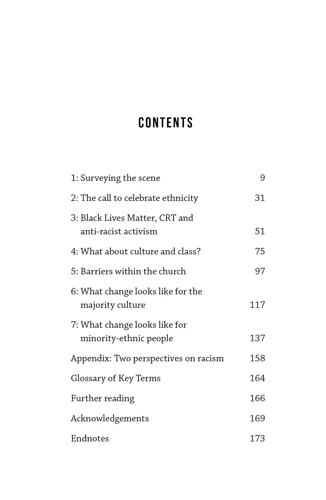
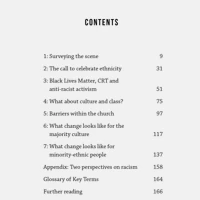
The book has seven chapters. The first five chapters are co-written while chapters six and seven are written individually as the authors discuss what change looks like for the majority culture [Jessamin] and what change looks like for minority-ethnic people [Jason].
WHAT I LIKED:
I liked that the authors had and understanding and awareness of the differences in the British Racial Landscape compared to that of the United States. Chapter one explains that due to the historical and demographic differences between the US and the UK, all theories and policies are not a one size fits all, and therefore understanding the root of the racial disunity is key to achieving an effective solution.
WHAT I DIDN’T LIKE:
What I didn’t like was the amount of time and effort expected (especially from the majority – White people) to be spent on these “social justice issues”. In my opinion, not enough attention is given to the Gospel. I understand that our God is a God of justice, and hates partiality (Rom 2:11, Acts 10:34, James 2:1), but what I am constantly seeing in our time and culture are Gospel distractions, and this book for me was another example of that.
FINAL THOUGHTS:
Personally, I wasn’t the biggest fan of the book (or books on this topic in general) for the reason I mentioned above. Perhaps others may find this helpful, but for me I felt it to be mentally draining, if I’m being honest.😣
This book was given to me by the @thegoodbookcompanyuk in exchange for an honest review.