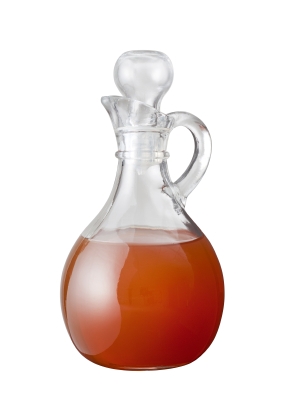
I run a Sunday School for 3-7 year olds. A privilege and a joy in itself.
But it's occasionally made all the more glorious when a child misunderstands something in a revealing way.
Last Sunday, we were finishing a short series on the book of Jonah. An interesting exercise in itself, because most kids bibles miss the point. They do the running away, the storm and the boat, the fish, Jonah's prayer, the preaching to Nineveh and the repentance bit, but fail to do chapter 4 - which is really the whole punchline of the story.
But the moment came at the start when I was reviewing the story so far... "What was the name of the prophet?" I ask. Lots of hands shoot up. "Jonah!" comes the enthusiastic reply:
"Where did God tell him to go?" Silence. One hand raised tentatively... "Vinegar?"
My dictionary says that, in addition to being the stuff you put on chips (or you add to salad dressing) there is a metaphorical meaning for vinegar:
"sourness or peevishness of behaviour, character, or speech"
An apt description, not of the doomed city of Nineveh, but of the reluctant prophet himself.
God sent a prophet full of Vinegar to Nineveh.
Chapter 3 shows us that Jonah "repented" - he had prayed and been obedient to God - he had gone and preached judgement to Nineveh. But chapter 4 shows us that his repentance had been shallower than the pond the whale spat him out into. His body and mouth went through the motions of saying God's words to the people he was supposed to speak to, but his heart was in Tarshish looking the opposite way. He was still far, far away from God.
The book of Jonah ends poignantly. A city-wide mass revival. A declaration by the Lord of his deep love for the thousands of people and animals in the city. And a furiously peeved Jonah sitting under a dead vine. Beside himself with rage at God's mercy to people he personally cannot forgive. The contrast between the prophet and His Lord could not be greater. The book ends with a passionate statement of the love of God - even for those who are terribly lost in darkest sin. But it also ends with a challenging question. How will the prophet of God receive the Word of the Lord?
We are not told - there is no chapter 5.
Therein lies the power and challenge of this book. It reveals the deeply divided hearts that even keen Christians can have. Anyone who is a preacher will know the temptation to be a Jonah. To speak an eloquent and finely crafted sermon. To thunder from a pulpit the the confident truth about God's gospel. And yet for these words to bear little fruit in our own lives - for our hearts to remain steadfastly hard and self centred. Remarkably, we can take pleasure in giving a great talk or leading an insightful Bible study, and yet be untouched by the words we so confidently declare to others. Such an attitude inevitably turns the sweet wine of the gospel into vinegar in our souls.

Tim Thornborough founded The Good Book Company in 1991. Today his roles include chairing The Good Book Company Trust and working with the Rights Team to grow TGBC's international reach. He is the author of The Very Best Bible Stories series and has contributed to many books published by TGBC and others. Tim is married to Kathy, and they have three adult daughters.